Common Monsoon Diseases: Causes, Symptoms, Treatment and Prevention
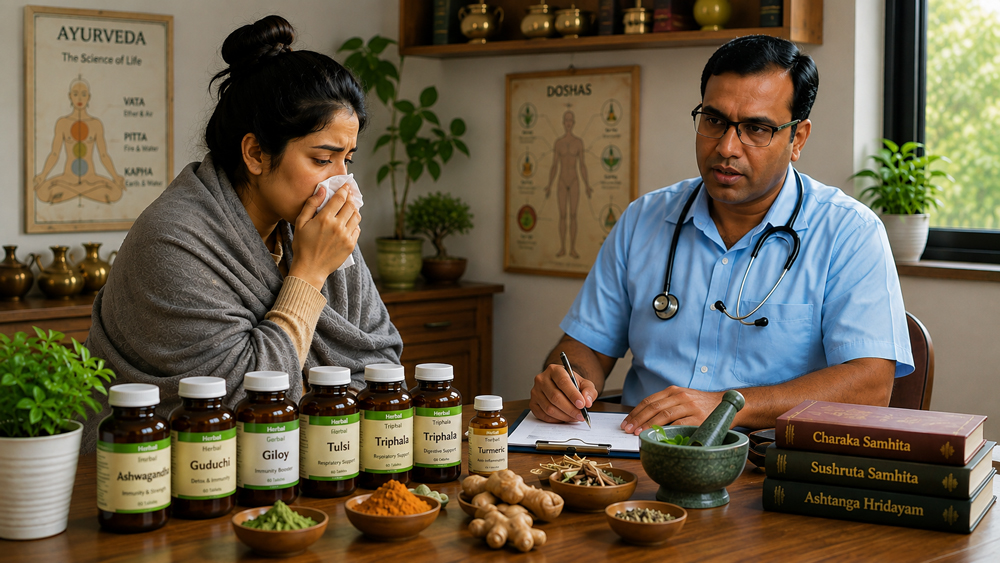
Just as the monsoon refreshes the nature, this season can increase the incidence of various diseases due to increased moisture in the environment, accumulation of water, breeding of mosquitoes, rapid spoilage of food items and the spread of various microbes. Dengue, malaria, chikungunya, typhoid, diarrhoea, dysentery, cholera, viral fever, cold, respiratory tract infection and various skin problems are more common during the rainy season.
Cleanliness, safe drinking water, proper eating habits, mosquito control and personal hygiene are very important to prevent diseases during the rainy season. According to the World Health Organisation (WHO), the monsoon season and its aftermath are likely to see an increase in dengue infections due to heat, humidity and an increase in mosquito population.
Dengue
Dengue is one of the major winter diseases. It is a viral disease caused by the dengue virus and is mainly spread through the bite of infected Aedes mosquitoes. Mosquitoes are usually more active during the day. During the rainy season, the chances of Aedes mosquitoes breeding increase if water accumulates in the surroundings of the house, tubs, abandoned pots, roofs or other places.
The main symptoms of dengue are high fever, severe headache, pain behind the eyes, muscle and joint pain, nausea and sometimes skin rash. In severe cases, symptoms such as severe abdominal pain, frequent vomiting, bleeding from the nose or gums, rapid breathing, excessive weakness or bleeding may occur. If these symptoms occur, you should immediately consult a doctor.
No ayurvedic ingredients should be used as a substitute for specific treatment for dengue. Adequate rest, a healthy diet, and plenty of fluids are important. In case of fever or body ache, treatment should be taken as per the advice of the doctor. Aspirin or ibuprofen should not be taken on their own if there is a possibility of dengue, as they can increase the risk of bleeding.
In Ayurveda, healthy eating habits, adequate rest and menstruation are considered important for maintaining immunity and digestion. However, if dengue is confirmed, you should consult a qualified doctor before using herbal medicines.
Malaria
The stagnant water during the rainy season creates an environment for mosquitoes to breed. Malaria can be caused when Plasmodium parasites enter the human body through the Anopheles mosquito.
In the case of malaria, it is important to diagnose the disease by testing and taking antimalarial treatment according to the doctor's advice. In the Ayurvedic system, the patient's digestion, weakness and post-disease recovery may be given importance.
Chikungunya
Chikungunya is a mosquito-borne viral disease. It increase number of mosquitoes during the rainy season. Main symptom of this disease is severe pain in the joints. Body aches and pains often occur in the hands, feet, ankles, or feet.
Adequate rest, easily digestible food, and adequate fluid intake are important during chikungunya. Ayurveda has various helpful methods to reduce inflammation and joint discomfort, but in the acute phase of the disease, one should consult a doctor without resorting to any herbal medicines or oils on their own.
Diarrhoea and gastroenteritis
During the rainy season, the incidence of diarrhoea and gastroenteritis can increase due to bacterial infection in food items and the use of contaminated water. Diarrhoea is usually a symptom of an intestinal infection and can be caused by bacteria, viruses or parasites. According to WHO, contaminated food and drinking water and inadequate hygiene are important causes of diarrhoea.
Frequent loose motions, abdominal pain, vomiting, weakness and lack of water and salt in the body may occur. Dehydration can quickly become severe in children and adults.
The first goal should be to maintain the water and salt balance in the body. It is very important to take ORS when needed. You can eat light and healthy food.
From the Ayurvedic point of view, easy-to-digest food and proper eating habits are important to keep the digestive system or fire normal. But if you experience severe abdominal pain, diarrhea, nausea, vomiting, or bloody stools, you should seek immediate medical attention.
During the rainy season, dysentery can be caused by unclean surroundings, inadequate hand washing habits, and contaminated food or water. This can cause frequent diarrhea, abdominal pain, and sometimes blood or mucus in the stool.
In the case of dysentery, it is important to first determine the cause of the disease. Drink plenty of fluids and eat healthy food. Ayurveda prescribes various dietary and herbal methods to maintain the normal functioning of the intestines, but in case of bloody stools, one should consult a doctor without starting any herbal treatment on their own.
Cholera is a serious intestinal infection that can be spread mainly from contaminated food or water. This can lead to a large amount of loose stools and a rapid lack of water and electrolytes in the body. If not treated, severe dehydration can be life-threatening.
Ayurvedic treatment for cholera can cause a fever, a cold, or a sore throat. Not all fevers should be considered common viral fevers, as dengue, malaria, chikungunya, or other infections can cause similar early symptoms.
Adequate rest, simple meals, adequate fluids, and regular monitoring are important. In Ayurveda, the importance of eating and living according to the seasons is given. But if you have a high fever or a persistent cough, you should see a doctor.
Cough, sore throat and fever
A sudden change in weather, humidity, and infection with various viruses can cause a cold, cough, and sore throat during the rainy season. In most cases, the symptoms are fever, cough, sore throat, body aches, chills and fatigue.
Drinking hot or warm liquids, getting enough rest, and avoiding smoke or dust can be beneficial. Common herbal ingredients such as ginger or basil are used in many households. However, they are not suitable for everyone and should not be overused. Consult your doctor if you have a fever, cough or shortness of breath.
Respiratory infection
During the rainy season, respiratory tract infections can occur due to the cold-moist environment and the spread of the virus. Children, elderly people and those with pre-existing respiratory problems need to be more careful.
Staying in a warm environment, getting enough rest, avoiding dust and smoke, and consuming a simple digestible food can be helpful. According to the nature and symptoms of the patient treatment is decided in ayurvedic treatment. Therefore, in case of chronic cough or shortness of breath, you should consult a specialist.
Skin diseases
During the rainy season, due to the increase in humidity in the air, sweat and dampness can remain for a long time on different body folds. This facilitates the growth of fungi. Acne, pimples, redness and irritation of the skin can occur.
It is important to keep the skin clean and dry. Wet clothes should not be left on for a long time. It is best not to share personal towels, clothes and other items with others. Before using herbal ointments or oils for skin infections, you should consult a doctor, as using the wrong ingredients can aggravate the infection.
Conjunctivitis or itchy eyes
Conjunctivitis is a viral and bacterial infections. Blurred vision, watery eyes, itchy eyes, redness, and swelling can occur.
It is important to keep the eyes clean, not to touch the eyes, and not to use personal towels or handkerchiefs with others. No herbal juice, honey or household ingredients should be given directly to the eyes, as it may cause damage to the eyes. If necessary, consult an ophthalmologist.
Ayurvedic way of life to prevent diseases during monsoon
In Ayurveda, special emphasis is laid on the change in diet and lifestyle with the change in seasons. It is better to avoid excess oil-spices, stale food and excess heavy food as digestion tends to be weak during the rainy season. Eat fresh, clean and nutritious food.
It is beneficial to take adequate rest every day, exercise regularly, maintain personal hygiene and keep the house dry and clean. Before eating you must wash your hands with soap and hot water. The WHO also highlighted the importance of safe drinking water, sanitation and hand washing with soap to prevent diarrhoea.
When should you consult a doctor?
If there is a fever in the rainy season, it should not be considered as a normal fever. Contact your
Ayurvedic doctor in Durgapur right away if you have symptoms such as high fever, severe abdominal pain, nausea, vomiting, diarrhea, or bloody stools.
The main goal of an Ayurvedic lifestyle may be to maintain the normal balance of the body, have a good digestive system, get enough rest, and follow a diet consistent with the seasons. However, in the case of dengue, malaria, cholera, typhoid or serious infections, it is safe to get the necessary tests and doctor's advice without using the ayurvedic method as an emergency or specific treatment option.