What to do if you have a muscle spasm causes symptoms and treatment
Muscle cramps are a common but uncomfortable physical problem. A sudden tightening of the muscles, severe pain, or difficulty moving - these can all be signs of muscle tension. It often occurs during sleep, at work, or during exercise. With the right care at the right time, most cases heal quickly.
Causes of muscle spasms
Sitting in the same position for a long time or in the absence of physical activity, the muscles become weak and easily stretch. Also, sudden lifting of heavy objects or excessive exertion puts pressure on the muscles. A deficiency in sodium, potassium, calcium, magnesium, and vitamin D can cause muscle weakness. If you do not warm up before sports or exercise, the risk of stretching increases as the muscles are not ready. Stress and anxiety also affect the muscles. Not drinking enough water causes dehydration and electrolyte imbalance in the body, which is a major cause of muscle tension. Some medications, especially diuretics, can increase the tendency for muscle tension.
Signs of muscle spasms
A muscle spasm usually causes pain and stiffness in the affected area. It is difficult to move and often the muscles remain compressed as seen by the eye. Bruising, redness, or swelling of the affected area can cause pain. The pain persists for some time and sometimes returns to the same place again and again.
First aid and care
At the beginning of a muscle strain, the affected area should be relaxed. It is very important to avoid excessive pressure or movement. Applying ice for first few days helps to reduce swelling and inflammation. Ice should not be applied directly to the skin. If necessary, the affected area can be covered with a light bandage. If the muscle is placed slightly above the height of the heart, the swelling decreases rapidly.
Home Remedies and Nutrition
Adequate water intake is essential for good health. Nutritious foods like bananas, yogurt, nuts and spinach are beneficial in maintaining the mineral balance in the body. Light stretching exercises help to gradually return the muscles to normal. The affected area can be gently massaged, but no oil or ointment should be used without consulting a doctor. Walking after sitting for a long time increases blood circulation in the muscles.
When to go to the doctor
If the pain does not subside within three to four days or rather increases, then the doctor should be consulted. Additional swelling, redness, or intense sensitivity in the muscle needs to be taken seriously. It is not advisable to neglect if the muscles become weak or if there is difficulty in carrying the normal weight. If you experience shortness of breath, dizziness, or unusual weakness, you should seek immediate medical attention. It is important to get tested to determine the cause of repeated muscle spasms.
Method of treatment
The doctor may prescribe painkillers or muscle relaxants if needed. Muscle strength and flexibility are restored through physiotherapy. In severe cases, the extent of the injury may be determined by MRI or X-ray examination. Surgery may be required in very complex situations, although it is rarely required.
Ways of prevention
Exercise regularly and keep the body active. Proper warm-up should be done before physical work. Be sure to drink plenty of water and eat a healthy diet each day. Adequate rest and relaxation are also important. By moving occasionally instead of staying in one position for a long time, the risk of muscle tension is reduced.
Solutions from an Ayurvedic point of view
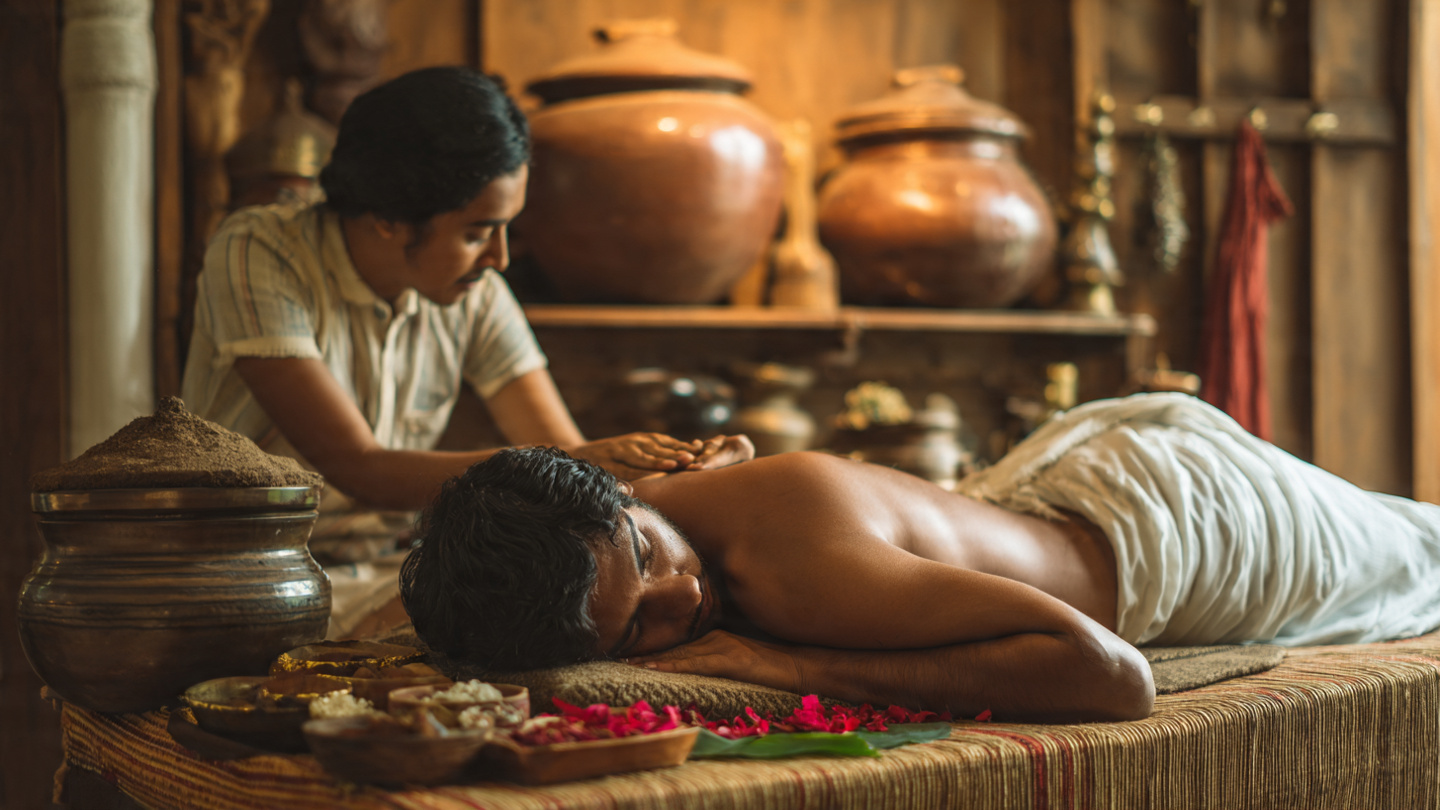
According to Ayurveda, muscle tension is the result of an increase in Vata Dosha. Body aches and pains can be caused by overeating, excessive sweating, lack of exercise, and lack of water. In this condition it is advised to keep the body warm, do light oil massage regularly and use appropriate herbs. Gently massaging the affected area with warm Mahnarayan oil or sesame oil helps in relaxing the muscles, but it should be done as per the advice of a specialist Ayurvedic doctor. Along with this, herbal medicines like Ashwagandha, Dashmool or Guggulu are considered to be helpful in increasing the strength of the body and controlling arthritis. It is also very important to follow light yoga, pranayama and regular routine. A balanced diet, adequate rest, and regular water intake are of particular importance in Ayurvedic medicine, as they help to maintain balance within the body. For personalized guidance and treatment, you may consult a trusted Ayurvedic Clinic in Durgapur.
Muscle tension is uncomfortable, but in most cases, it is a temporary problem. A good night's rest, drinking plenty of fluids, getting enough sleep, and getting enough sleep can help you recover. However, if the pain persists for a long time or there are unusual symptoms, you should consult a doctor. A healthy diet and regular exercise is the best way to prevent muscle cramps.