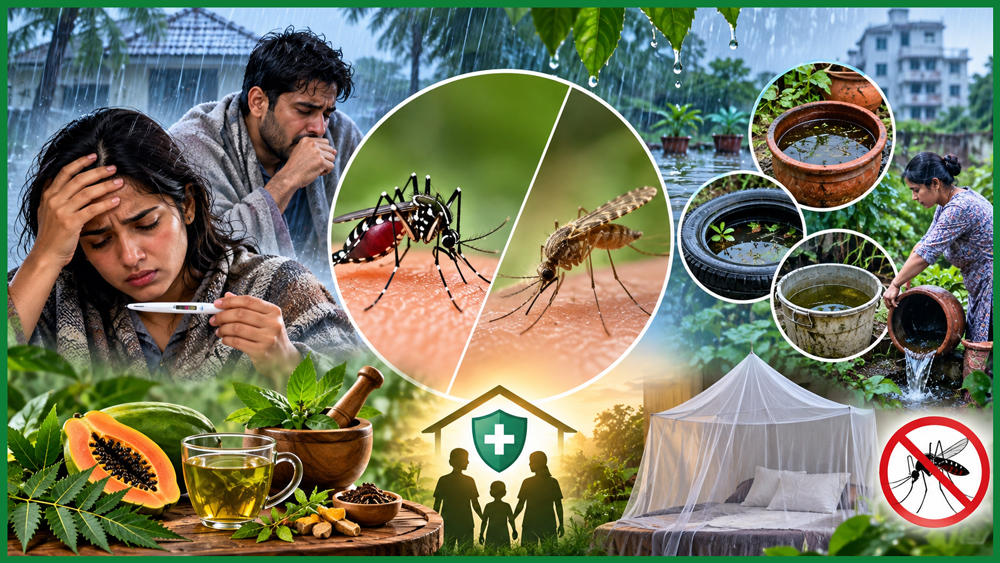
Why Dengue and Malaria Increase in the Monsoon Know Real Causes and Ways to Prevent Mosquito-borne Diseases
Why are malaria and dengue cases on the rise?
The water collected during the rainy season and post-monsoon creates a suitable environment for the breeding of mosquitoes. The Aedes mosquito is usually active during the day and spreads dengue, while the female Anopheles mosquito is the main carrier of malaria. Dengue can cause fever, headache, pain behind the eyes, muscle and joint pain, nausea and sometimes a rash. Common symptoms of malaria include fever, chills, and headache. Therefore, it is important to consult a doctor if you have a fever during the rainy season and not just assume a normal viral fever.
How is fever treated in Ayurveda?
In Ayurveda, fever is considered an important disease called fever (jwara). In ayurvedic treatment the treatment plan is made considering the symptoms, physical condition, digestion, age and overall health of the patient. In addition to diagnosing diseases with modern tests for specific infections such as dengue or malaria, Ayurvedic physicians can provide supportive treatment based on the patient's current condition. However, it is not safe to rely solely on ayurvedic medicines aside from proven treatments to eliminate viruses or parasites as the cause of the disease.
What is the role of ayurvedic treatment in dengue?
Currently, there is no specific antiviral treatment for dengue fever. The main goal of treatment is adequate rest, fluid balance, control of fever and pain, and early detection of severe dengue symptoms. According to the condition of the patient in the ayurvedic treatment system helpful advice can be given in the matter of eating habits, rest, maintaining digestion and overcoming weakness after recovery. However, no herbal, kwath or ayurvedic medicine should be used as a substitute for a definitive cure for dengue.
Why is it important to balance water and electrolytes in the body?
Dengue can be caused by a lack of fluid in the body due to fever, vomiting, or anorexia. Adequate fluid intake is therefore important. The WHO also advises patients to drink plenty of fluids and rest. From the Ayurvedic point of view, emphasis can be laid on simple and balanced diet, adequate fluids and diet according to the digestive capacity of the patient. But if the vomiting is high, the urine is low or the patient is unable to take fluids, immediate treatment is required.
Does papaya leaf or herbal medicine cure dengue?
In the treatment of dengue, there are various claims about papaya leaves, different kathas or specific herbal ingredients. But these should not be taken as a proven treatment for dengue. Especially one should not eat any herbal preparation of one 's own choice just for the purpose of increasing platelets. Based on the patient's age, other medical conditions, current medications, and liver and kidney status, the physician will decide which supportive treatment is safe. Doctor's observation and necessary blood tests are very important in dengue.
It is important to remember the limitations of Ayurvedic treatment for malaria
Malaria is not a viral disease like dengue; it is caused by a parasite called Plasmodium and is spread by the bite of an infected female Anopheles mosquito. If malaria is suspected, it should be diagnosed through a blood test or rapid diagnostic test. If the disease is confirmed, it must be treated with specific antimalarial drugs. According to the World Health Organization (WHO), malaria can be serious and even life-threatening if not diagnosed quickly and treated effectively. Therefore, anti-malarial treatment should not be substituted with ayurvedic medicines.
A focus on immunity and recovery in Ayurvedic medicine
Body weakness, anorexia, digestive problems and fatigue may remain for some time after the illness. At this stage, a plan can be made to eat easily digestible nutritious food, get enough sleep, rest and gradually return to normal daily activities as per the advice of the Ayurvedic doctor. If a particular herbal or chemical preparation is required, it should be taken in consultation with a qualified ayurvedic physician after assessing the patient's physical condition.
Do you need to go to the hospital if you have symptoms of dengue?
In dengue, it is not always the case that the patient has fully recovered after the fever subsides. Acute abdominal pain, frequent vomiting, rapid breathing, bleeding gums or nose, excessive weakness or restlessness, vomiting or blood with stool, excessive thirst or pale and cold skin can be a warning sign of severe dengue. If these symptoms occur, you should immediately go to the medical center without relying on ayurvedic or home remedies.
What are the symptoms of malaria?
Symptoms of malaria include fever and shivering, extreme weakness, loss of consciousness, convulsions, shortness of breath, dark or bloody urine, jaundice, or abnormal bleeding. P. falciparum malaria, in particular, can quickly become severe. Therefore, it is very important to complete the entire course of medicine prescribed by the doctor properly if malaria is detected in the test.
Destroying mosquito breeding grounds is the most effective prevention.
Along with the treatment of dengue and malaria, mosquito control is very important. It is necessary to clean the accumulated water around the house, regularly clean the water stored in flower tubs, water storage containers, AC or other places, and cover the water storage containers. It is also important to use mosquito nets, window sills and necessary mosquito repellents. According to WHO, reducing mosquito breeding grounds and protecting oneself from mosquito bites are important ways to control dengue.
The combination of Ayurveda and modern medicine is safe.
For mosquito-borne diseases like dengue and malaria, the safest approach is to consider integrating Ayurvedic treatment with diagnosis, necessary modern treatment and appropriate supportive care. An Ayurvedic practitioner can help the patient with diet, rest, digestion, and recovery by assessing the patient's overall condition. But if there is a possibility of serious infection, bleeding, dehydration or organ complications, it is necessary to seek treatment in the hospital.
Finally, mosquito control is the first line of treatment.
In case of dengue or malaria, it is important not only to treat the disease, but also to stop the breeding of mosquitoes. Keeping the house and surroundings clean, removing stagnant water, taking protection from Aedes mosquito bites during the day and using mosquito nets at night are very effective preventive measures. In case of fever, the safest way is to get a proper test done soon, confirm the cause of the disease and consult a doctor as needed. Ayurvedic treatment can be helpful, but not a substitute for proven treatments for dengue or malaria.
NOTE: This article is informative. If you suspect dengue or malaria, you should consult a doctor without starting any Ayurvedic, herbal or antimalarial medicine on your own. WHO also emphasizes test-based diagnosis and effective antimalarial treatment for malaria.